Durable Mobile Glass Shop Best Local Value
Discover the Key Services Provided by a Professional Arborist for Optimal Tree Health
A professional arborist delivers a variety of services vital for maintaining healthy trees and beautifying outdoor spaces. Their expertise in tree pruning encourages growth and mitigates hazards. They also identify and treat tree diseases, guaranteeing customized treatment plans are established - Florence Arborist. Additionally, arborists manage secure tree removal and can assist with planting and transplanting. Their role becomes even more crucial during urgent times such as storm damage. Knowing these services can significantly affect one’s approach to tree care
The Significance of Tree Pruning
Although many homeowners often neglect the need for tree pruning, it plays an essential role in maintaining the health and aesthetics of trees. Proper pruning helps trees develop a strong structure, taking away dead or sick branches that could create hazards. By judiciously pruning limbs, the tree can direct its energy on healthy growth, promoting better air circulation and sunlight penetration. Additionally, pruning can improve the look of the tree, forming it for visual beauty in residential landscapes.
Moreover, regular pruning can prevent potential hazards, such as falling branches during storms or high winds, which could cause property destruction or injure individuals. It also aids in the prevention of insect problems and diseases by enhancing the tree's hardiness. Ultimately, hiring professional arborists for tree pruning makes sure trees are kept healthy, safe, and visually pleasing, adding significantly to the overall beauty and value of the property.
Assessing and Handling Tree Diseases
Tree health can be significantly impacted by various diseases that may not always be instantly obvious. A professional arborist plays an essential role in identifying these issues promptly, utilizing a combination of visual inspections and diagnostic tools. Symptoms such as leaves changing color, wilting, or abnormal growth habits often point to underlying wellness concerns. Arborists assess these symptoms to identify specific diseases, whether fungal, bacterial, or viral in nature.
Following the diagnosis, the tree specialist creates a specific treatment strategy. The plan often involves targeted treatments, such as fungicides or bactericides, and cultivation methods that enhance tree resilience. Furthermore, correct hydration, mulching, and feeding can significantly boost tree health and defense against pathogens. Regular monitoring and follow-up treatments are essential for effective management, securing the long life and vigor of the trees. By taking a proactive approach to tree diseases, professionals preserve the environmental value and aesthetic appeal provided by healthy trees.
Guidelines for Safe Tree Removal
Safe tree extraction techniques are critical for securing safety and minimizing damage to surrounding property. Professional arborists employ a detailed analysis of the tree's condition, its location, and the surrounding environment prior to starting the extraction. They utilize specialized equipment, such as rigging equipment and chainsaws, to guarantee precise cuts and maintain control while cutting down the tree.
A carefully designed extraction plan includes identifying potential hazards, such as power lines or nearby structures, which can impact the safety of the operation. Tree specialists frequently employ a method known as "sectional dismantling," where the tree is cut down in smaller segments, reducing the risk of falling debris.
In addition, professionals comply with municipal guidelines to guarantee compliance and responsible environmental care. Once the tree is down, thorough clearing and removal of the remaining wood and brush, stump treatment as well, help improve the overall security and look of the landscape.
Planting and Transplanting Trees
Installing and relocating trees demands close attention of choosing the location and installation methods to guarantee long-term health and growth. Choosing the correct site significantly influences a tree's development, and correct installation techniques reduce trauma and aid in successful rooting. Arborists emphasize these factors as vital for boosting the health and lifespan of trees in all environments.
Choosing the Right Location

Finding the perfect spot for planting or transplanting trees is essential for their long-term health and growth. Factors such as soil quality, the amount of sun, and water flow needs careful consideration. Tree care professionals article assess the site's characteristics, ensuring that the selected area has enough food sources and support for the tree species. Additionally, the closeness to current buildings and other plants is critical to avoid resource contention and prevent possible harm. Tree specialists also factor in the tree’s maximum height and width and root structure, making sure there is ample room to expand. By conducting a thorough site analysis, arborists enable clients reach educated conclusions that foster robust, flourishing trees, thereby improving the landscape’s beauty and environmental worth.
Proper Techniques for Installation
Once the site has been carefully assessed and selected, the following action is applying the best tree installation practices. Proper preparation of the planting hole is vital; it should be two times wider than the root mass and the same depth as the root ball. The tree should be placed in the hole so that the upper surface of the roots aligns with the adjacent ground. Refill using the original dirt, making sure to eliminate air gaps, and irrigate completely to help the roots settle in initially. Adding a layer of mulch near the trunk helps retain moisture and suppress weeds. Florence Arborist. When relocating established trees, it’s important to minimize root disturbance and relocate the plant in its resting phase for the greatest likelihood of thriving. Following these techniques encourages strong vitality and longevity
Arborist Action Following Severe Weather
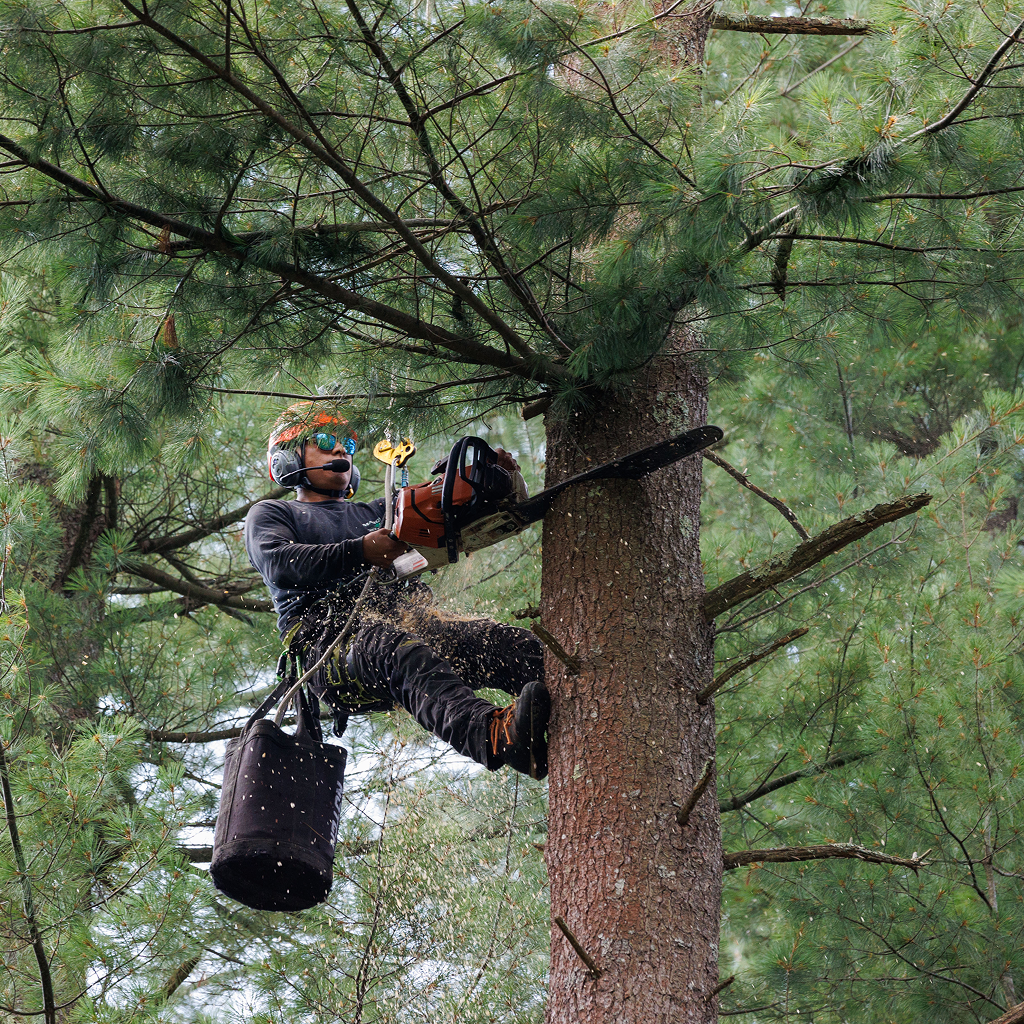
After powerful weather events occur, the aftermath can leave trees in dangerous states, posing risks to property and safety. Trained arborists are essential in emergency response, evaluating storm-damaged trees to gauge their soundness and condition. With their skill, they can discern which plants can be saved and which present immediate dangers that require extraction.
Using professional equipment, tree experts are able to securely trim fractured limbs and clear debris, preventing subsequent injury to adjacent property. Arborists also offer helpful guidance on preventive measures, such as selecting resilient tree species for subsequent landscaping.
Beyond just quick action, tree specialists assist clients in grasping the possible lasting consequences of the storm, offering guidance on recovery and rehabilitation. By responding rapidly and capably, certified tree experts safeguard assets but also contribute to the restoration of the local environment after severe storms.
Nutritional Support and Soil Management
After the devastation caused by storm damage, focus shifts to the well-being of the trees that remain, highlighting the significance of nutritional support and soil management. A professional arborist evaluates ground quality and tree health to determine exact dietary needs. Trees require essential nutrients, such as nitrogen, phosphorus, and potassium, to bounce back and flourish post-stress incidents.
Ground care plays an essential role in how nutrients are accessed and root growth. Arborists may recommend ground improvements, like organic matter, to boost the ground's composition and microbe function. The correct pH balance are also checked, as they influence how nutrients are absorbed.
Incorporating mulching techniques can help the soil hold water and keep weeds down, fostering a perfect setting for tree recovery. With a detailed feeding regimen and implementing effective soil management strategies, arborists ensure trees recover their vigor, resilience, and overall health, vital for keeping the environment stable in the wake of environmental disturbances.
FAQs
What is the Recommended Inspection Frequency?
Trees should ideally be inspected annually for peak health. Nevertheless, checking them more often may be necessary for younger trees, after severe weather events, or if they show signs of stress or sickness.
What Qualifications Should I Look for in an Arborist?
When seeking an arborist, one should look for credentials such as ISA (the ISA) accreditation, proven track record, proper liability insurance, and a good standing within the community, ensuring expertise in arboriculture and safe procedures.
Do Arborists Utilize Special Equipment for Tree Care?
Arborists employ various specialized tools for tree care, such as chainsaws, pruning shears, climbing gear, and stump grinders. Every piece of equipment has a distinct function, allowing for proper upkeep, pruning, and removal of trees while promoting overall health and safety.
How Do Weather Conditions Affect Tree Health?
Weather conditions greatly impact tree health; heavy rainfall may result in root rot, while dry spells put strain on trees. Temperature extremes often result in harm to leaves and branches, in turn harming growth, sturdiness, and overall vigor of the trees.
Should I handle my own tree maintenance, or Should I use a professional service?
Even though a few fundamental tree care duties are manageable by homeowners, it's often wise to employ a professional - Florence Arborist. Professionals have the necessary tools and specific knowledge, making certain the trees obtain the appropriate care required for optimal development and health